
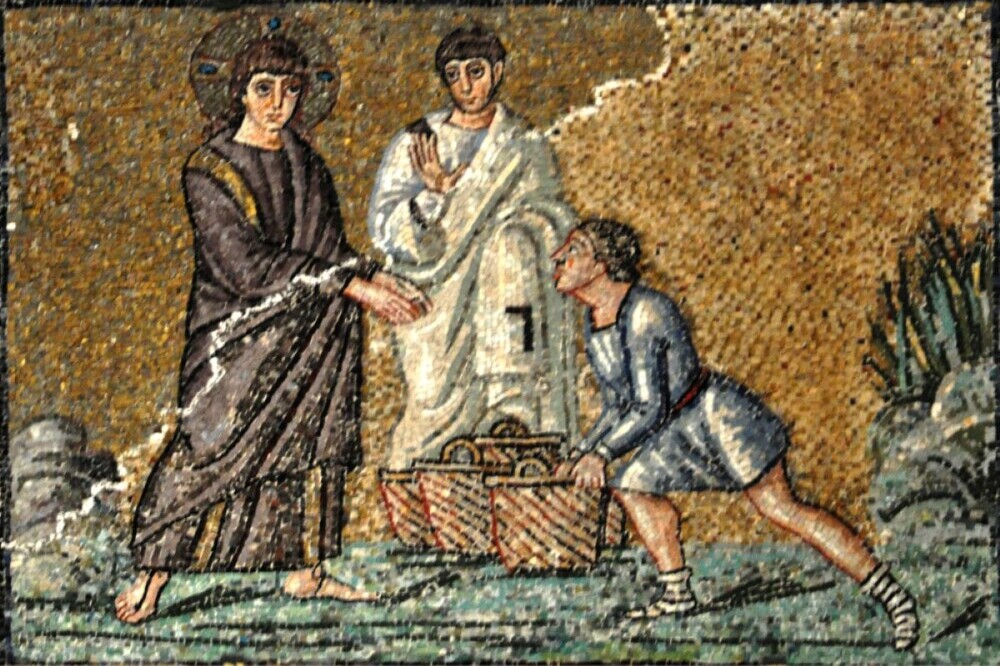
 Sixth Century Mosaic – Jesus Turns the Water into Wine – Sant’Apollinaire, Ravenna, Italy
Imagine a bustling wedding, laughter echoing, glasses clinking, joy in the air. Now picture the sudden panic when the wine runs out. In those days, a dry cup at a wedding spelled social disaster. Into this looming embarrassment, Jesus quietly steps up—turning water into wine. This wasn’t just any routine miracle; it was his debut, the first of many miracles of Jesus artfully described in the Gospel of John.
But here’s the kicker: it wasn’t just wine; it was the best wine. So, what’s the big deal about wine at a wedding? And why does this story keep inspiring hearts and minds, even finding expression in things like mosaic artwork of water into wine?
Setting the Stage for a Miracle
For those diving into the miracle at Cana, you’ll find more than a simple party trick. The Gospel account is loaded with meaning, purpose, and wonder. Jesus doesn’t just save a wedding; he kicks off his miracle-working journey by showcasing his authority and compassion.
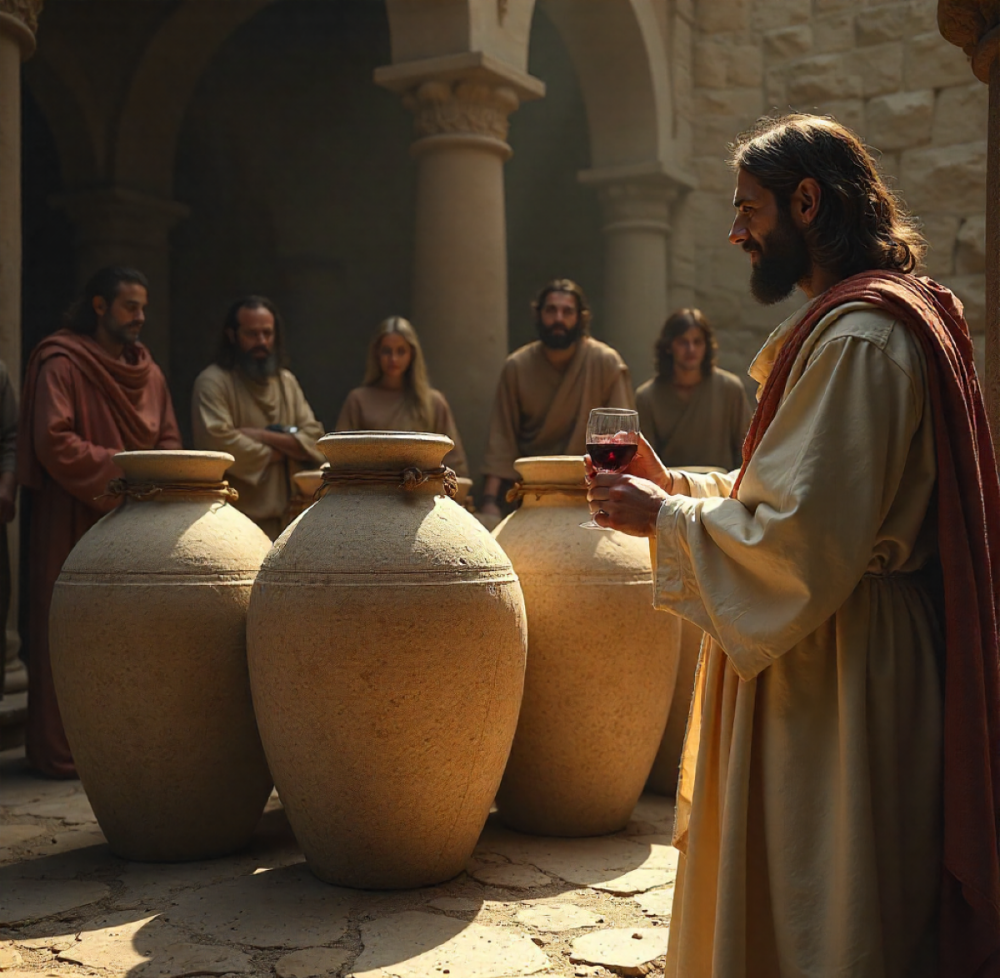
Picture the scene: stone jars, cold and empty, used for traditional purification rituals, are filled to the brim with new wine. At a deeper level, these old containers symbolize the old ways meeting new life. This transformation is more than a miraculous change of water into wine—it’s the introduction of a savior who brings joy and hope.
As we explore the setting and the social stakes, let’s dive deeper into the step-by-step moment of the miracle.
Turning Water Into Wine: A Step-by-Step Journey
The Gospel of John, chapter 2, verses 1-11, paints this moment with simple precision:
1. The Scene: Jesus, his mother Mary, and his disciples are guests at a wedding in Cana.
2. The Crisis: “They have no wine,” Mary alerts Jesus to the situation.
3. The Response: Jesus replies, noting that his hour has not yet come. Timing, he implies, is crucial.
4. The Silent Encouragement: Mary, with calm faith, instructs the servants, “Do whatever he tells you.”
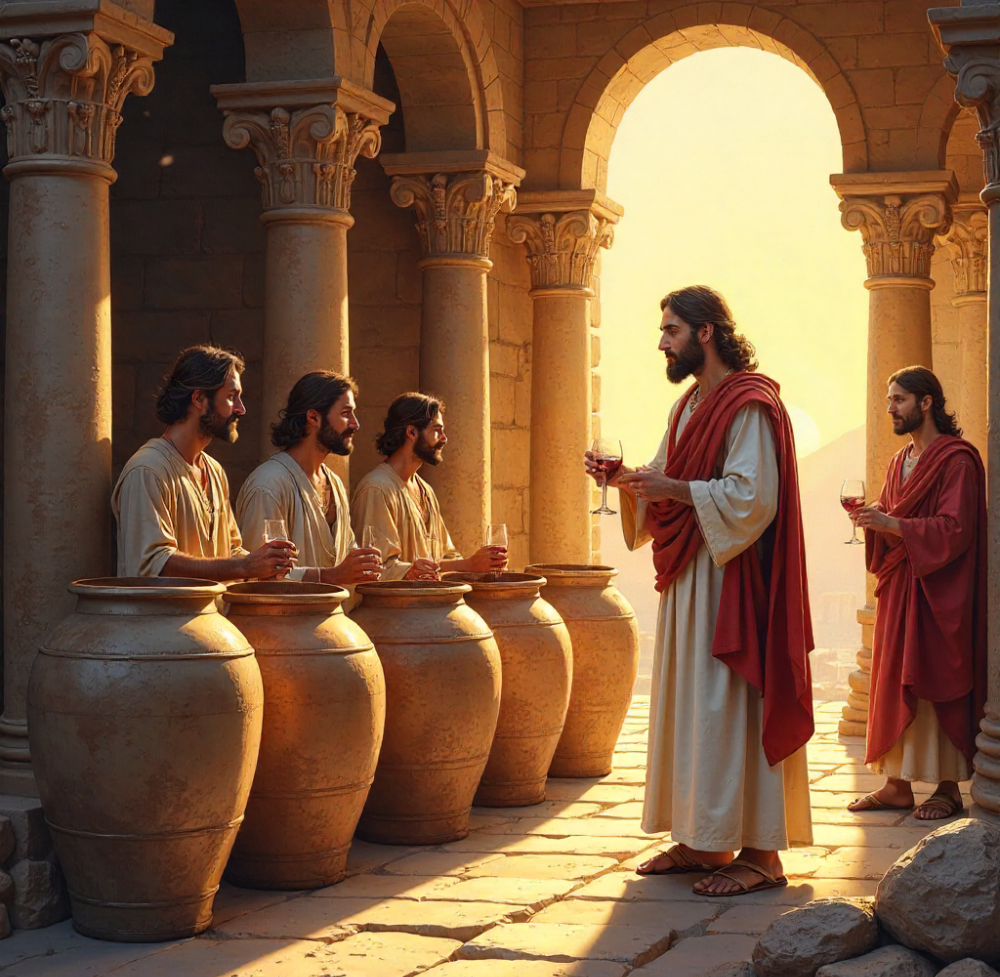
5. The Jars: Six large stone jars, each holding 20-30 gallons, stand ready—empty now, soon to brim with new life.
6. Filling the Jars: Jesus commands, “Fill the jars with water.” Without hesitation, they fill them to the top.
7. The Fulfillment: “Draw some out now,” Jesus tells them, and they serve it to the master of the feast.
8. The Tasting: The master, clueless about the transformation, marvels at the quality of the wine. “You’ve saved the best until now,” he exclaims, astounded.
9. Glory Revealed: With this turning of water into wine, Jesus not only saves the day but reveals his divine glory, strengthening his disciples’ belief in him.
Here we see Jesus meeting a real need with generosity, transforming a potential disaster into a celebration of abundance and quality.
Understanding the Wedding Miracle’s Meaning
This first miracle sets a tone of generosity and deep meaning. The transition from water to wine at the wedding in Cana signals the beginning of Jesus’s public ministry—where old symbols collide with new life and where joy returns even to commonplace gatherings.
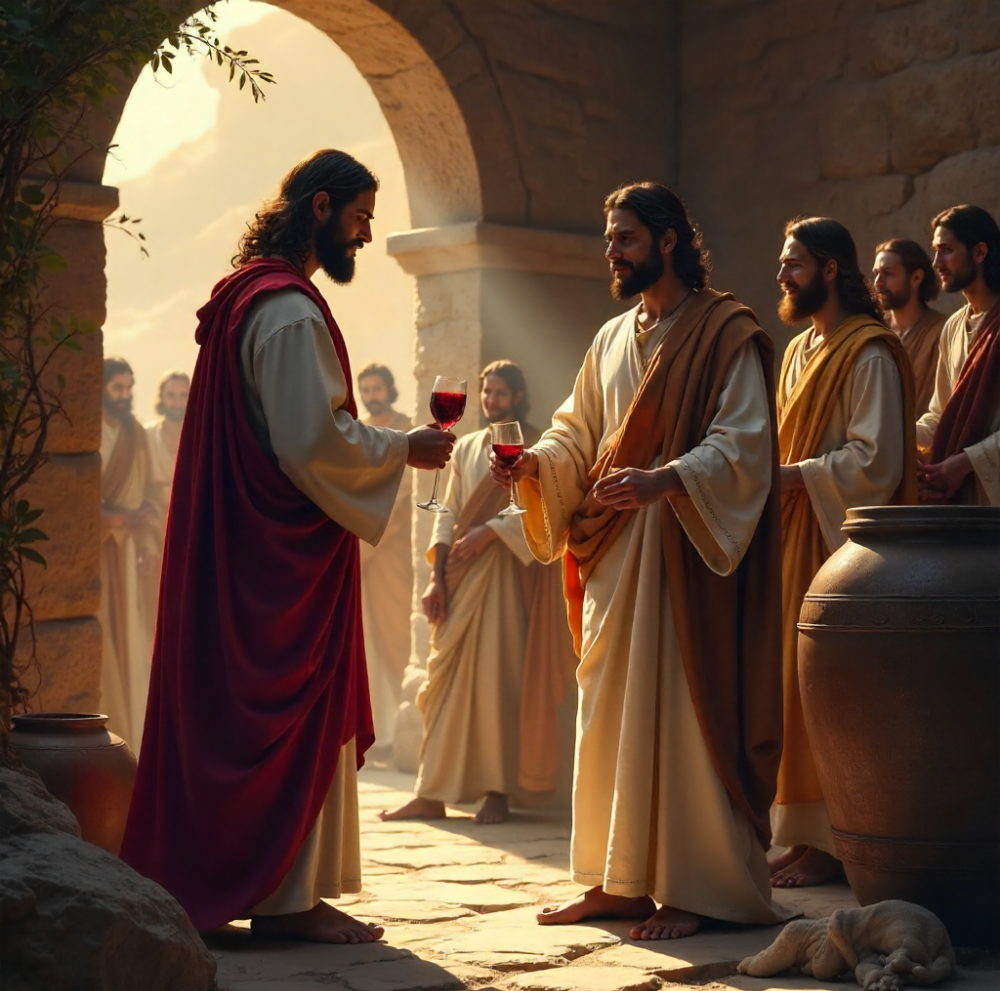
The story brims with symbolism. Water in stone jars, used for age-old rituals, becomes wine, a symbol of joy and festivity. It’s Jesus adding life to tradition rather than discarding it. And like the prophets who depicted God as a bridegroom rejoicing over his people, Jesus starts his ministry at a marriage feast—signaling his endorsement of community and celebration.
How This Miracle Molded the Disciples
The disciples’ belief in Jesus transitions from curiosity to commitment. This first-hand witness of transformation teaches them about Jesus’s timing, generosity, and power to bring joy. They see this miracle not as a flashy display but as a quiet, transformative act that fills emptiness with fullness.
Miracles of Jesus Art in Contemporary Reflections
Fast forward to today, and the miracles of Jesus art continue to inspire countless creative expressions. In contemporary art, these acts are depicted not just in traditional paintings but in diverse forms like mosaic artworks, where artists explore Jesus in mosaic art, capturing the essence and emotion of these incredible stories.
Mosaic artwork of water into wine, for instance, uses tiny tiles to create a vibrant picture of transformation and hope. With intricate Jesus miracles mosaic techniques, artists portray the moment when water becomes wine, inviting viewers to delve deeper into this miraculous event. Whether through modern Jesus miracles mosaic styles or unique Jesus mosaic artworks, these pieces serve as visual testament to Jesus’s enduring influence.
Mosaic Techniques: Bringing Miracles to Life
The modern exploration of Jesus miracles mosaic techniques opens new avenues for artists to express biblical narratives. These artworks often employ bold colors and intricate designs, each tile hand-placed to contribute to a larger masterpiece. From the water into wine biblical artwork that might grace the walls of a church to art pieces found in personal collections, inspirational Jesus mosaic designs create an engaging visual language that tells ancient stories with fresh vibrancy.
The variety of Jesus miracles mosaic styles offers a glimpse into how different cultures and perspectives have interpreted these divine acts through various mediums. Each unique Jesus mosaic artwork invites viewers to witness the miracle and perhaps even experience a sense of wonder similar to that of the wedding guests 2,000 years ago. Today, mosaic artwork can be purchased–here’s where you can look and be inspired by the skill and craft of modern artisans.
Lessons for Today
The lessons from Jesus turning water into wine remain timeless. They urge us to invite Jesus into our daily lives, ask with trust, and act upon his words. As life brings its own empty jars—a crisis here, a setback there—remember that openness and obedience can convert life’s scarcity into abundance.
Just like the disciples, we are called to see and believe, translating the strength of these stories into our everyday existence. So, keep revisiting these signs, let them shape your faith, and embark on a journey filled with transformative hope. And who knows—maybe you’ll stumble upon a mosaic artwork that sparks a new appreciation for these timeless tales.
Affiliate Disclosure
Here’s a little transparency: Our website may contain affiliate links. This means if you click and make a purchase, we may receive a small commission. Don’t worry, there’s no extra cost to you. It’s a simple way you can support our mission to bring you quality affiliate marketing content.